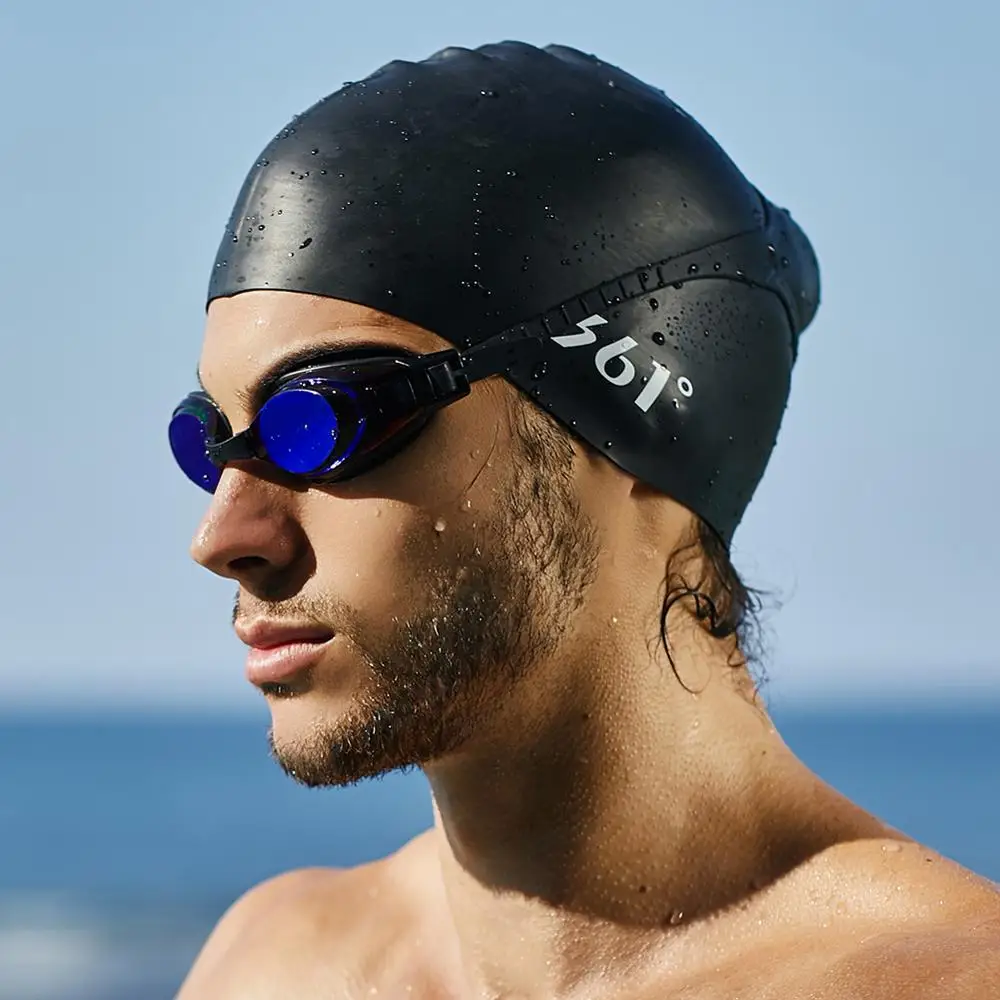
Protect Hair and Improve Performance with a Swimming Cap
A swimming cap is more than just a piece of swim gear. It plays a vital role in protecting hair, reducing drag, and keeping swimmers comfortable in the water. Whether you’re a competitive athlete, a fitness enthusiast, or someone who enjoys relaxing laps, a quality swimming cap enhances your experience. It keeps hair out of your face and minimizes chlorine exposure. At the same time, it improves hydrodynamics, allowing for smoother movement through the water.
Moreover, modern swimming caps come in various materials, styles, and designs to suit different needs. From silicone to latex and fabric-lined options, each type offers unique benefits. Swimmers can now choose based on comfort, durability, and even fashion. This guide explores everything you need to know about selecting, using, and caring for the best swimming cap.
Contents
hide
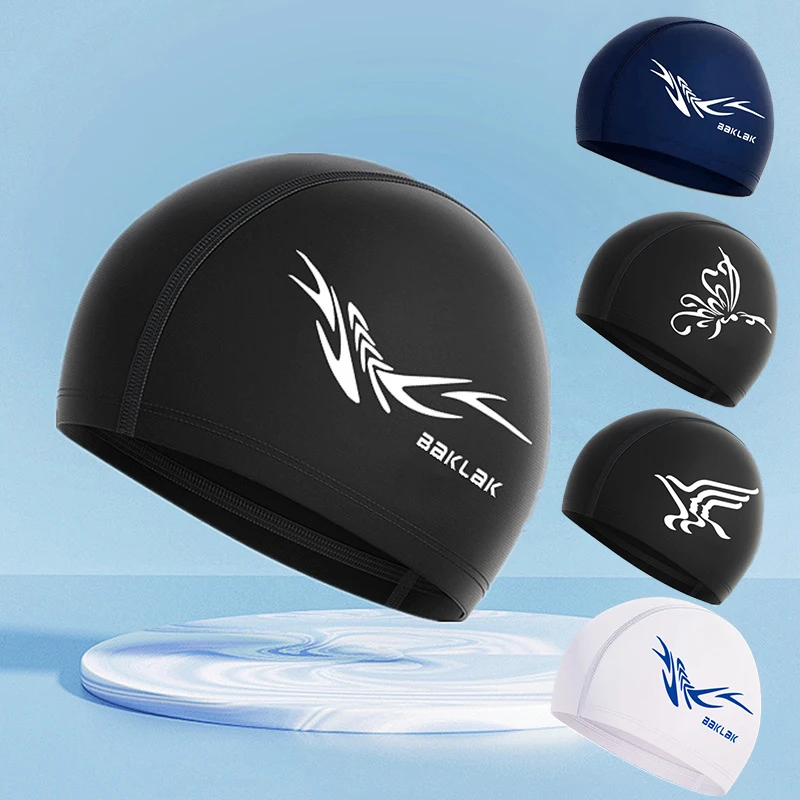 Why Every Swimmer Needs a Swimming Cap
Using a swimming cap brings multiple advantages. First, it protects your hair from chlorine and saltwater. These chemicals strip natural oils and cause dryness over time. A cap acts as a barrier that reduces direct contact. This helps maintain healthier, stronger strands.
Additionally, it keeps long hair neatly tucked away. No more tangles or constant adjustments during laps. This allows you to focus fully on technique and endurance. For those with shorter hair, it still adds comfort and reduces irritation from goggles.
It also improves performance. Water flows more smoothly over a covered head. This reduces resistance and increases speed. Competitive swimmers rely on this small detail for faster times.
Even in public pools, caps are often required. They help keep filters clean by preventing loose hair from clogging drains. As a result, wearing a swimming cap supports both personal and shared hygiene.
How a Swimming Cap Enhances Your Swim Session
From the first stroke, you’ll notice a difference. The cap fits snugly but not tightly. It stays in place without slipping off mid-lap. This stability means fewer interruptions and better rhythm.
It also reduces noise underwater. Without loose hair flapping against your ears, sounds become clearer. This improves awareness during drills or team practices.
Goggles fit more securely over a cap. The material creates a smooth base for the strap. You avoid red marks or pressure behind the ears.
For cold-water swimmers, neoprene or thermal caps provide extra warmth. They trap body heat and protect sensitive areas like the ears. This extends swim time safely.
Children benefit too. Bright colors make kids easier to spot. Parents feel reassured knowing their child’s head is visible at all times.
Overall, a swimming cap turns a basic session into a more efficient and enjoyable experience.
Types of Materials
Latex is one of the most common materials. It stretches well and conforms to the head shape. However, it may irritate sensitive skin. Some users find it difficult to put on when dry. Yet, it remains popular due to its low cost and lightweight feel.
Silicone caps offer greater durability. They resist tearing and last longer than latex. Their soft texture feels gentle on the scalp. Most are tear-resistant and easy to clean. They also come in fun colors and patterns.
Fabric-lined caps combine silicone with an inner layer. This added lining increases comfort and reduces pulling on hair. Ideal for daily use or thick textures.
Neoprene caps serve open-water swimmers. They provide insulation in cool lakes or oceans. Thicker than standard caps, they retain heat effectively.
Lycra or cloth caps appear in decorative styles. While not watertight, they protect hair during light dips. Often used in synchronized swimming routines.
Each material suits specific goals. Choose based on frequency, environment, and sensitivity.
Comparing Fit, Durability, and Comfort
Fit matters most for performance. A well-fitting swimming cap should stay secure without squeezing. Too tight causes headaches. Too loose leads to slippage. Silicone models often offer the best balance.
Durability varies widely. Latex wears out quickly if mishandled. Folding or storing improperly causes cracks. In contrast, silicone resists damage and withstands regular use.
Comfort depends on hair type. Long or curly hair may pull under latex. Fabric-lined versions reduce friction. They glide smoothly during wear.
Swimmers with allergies should check labels. Natural rubber latex can trigger reactions. Hypoallergenic silicone is a safer choice.
Ease of use counts too. Some caps include grip tabs. These help stretch the opening before placing it on. Others require powder or conditioner for smoother application.
Always rinse after use. Salt and chlorine degrade materials over time. Proper care extends life significantly.
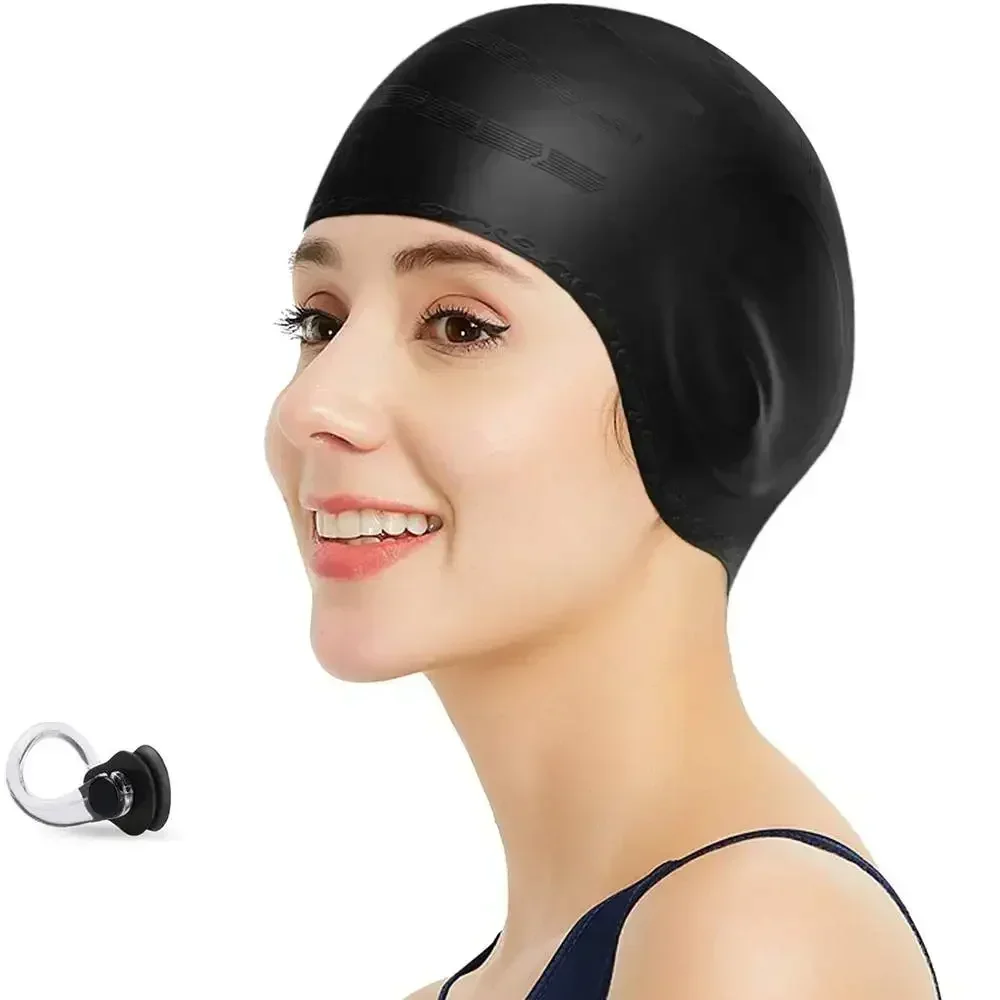 Who Should Use a Swimming Cap
Competitive swimmers benefit greatly. Teams often require matching caps. Coaches value consistency and reduced drag. Race-day strategy includes minimizing resistance. Even slight improvements matter.
Recreational lap swimmers gain practical advantages. Hair stays dry and manageable. Goggles remain stable. There’s less post-swim washing and styling.
Children learn good habits early. Many swim schools require caps. Bright colors improve visibility. Parents appreciate how they keep young ones safe and organized.
People with medical conditions find protection helpful. Those undergoing chemotherapy wear caps to cover thinning hair. Others use them to shield surgical scars or sensitive scalps.
Open-water enthusiasts need thermal protection. Neoprene caps prevent heat loss in cold environments. They support longer, safer swims.
Even non-swimmers use them. Spa guests may wear caps to preserve hairstyles. Hotel pools sometimes enforce rules for cleanliness.
Benefits for Different Swimming Environments
In indoor pools, cleanliness is key. A swimming cap prevents loose hair from entering filtration systems. Facilities maintain higher standards when everyone complies.
Outdoor pools expose swimmers to sun and wind. UV rays damage hair over time. A cap provides partial shielding. Pair it with leave-in conditioner for added defense.
Open-water settings demand extra protection. Waves, temperature changes, and debris make gear essential. Neoprene or double-layered caps perform best here.
Triathletes depend on quick transitions. They need caps that go on fast and stay put. Silicone models with wide brims work well under wetsuits.
Ocean swimmers face salt buildup. Rinsing immediately preserves the cap. It also protects hair from brittleness.
Public facilities often enforce rules. Wearing a swimming cap shows respect for shared spaces. It reflects consideration for other users.
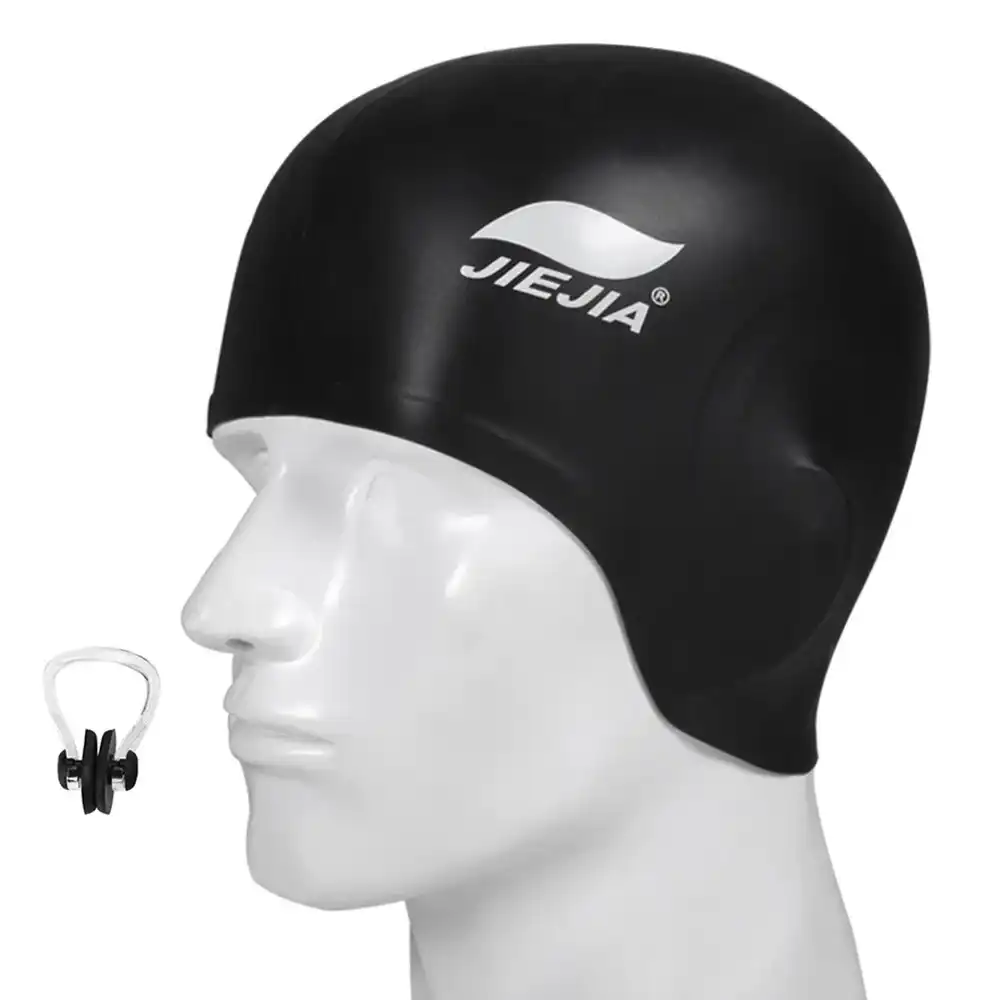 Where to Buy High-Quality Swimming Caps
Major sporting goods stores carry a wide range. Retailers like Dick’s Sporting Goods, Sports Direct, and Decathlon stock reliable brands. You can try different types in person. Staff often provide recommendations.
Online marketplaces such as Amazon offer convenience. Search “swimming cap” to compare prices and reviews. Filter by material, size, and customer ratings. Look for verified purchase feedback.
Specialty swim shops focus on performance gear. Brands like Speedo, Arena, and TYR design high-end caps. These prioritize fit and function. Many are used in competitions worldwide.
Etsy features handmade and custom designs. Artists create colorful prints and personalized options. Great for gifts or unique looks.
Schools and clubs buy in bulk. Wholesale suppliers offer discounts for large orders. Team logos can be printed directly on the cap.
Always check return policies. Some allow exchanges if sizing is off.
What to Look for When Shopping Online
Start by reading product descriptions carefully. Note the exact material. Check if it includes UV protection or anti-tear features.
Review sizing details. Most caps are one-size-fits-most. But head circumference varies. Measure around your forehead and crown. Compare with brand guidelines.
Look at customer photos. Real users show how the cap looks when worn. Videos reveal how easily it goes on.
Check washing instructions. Most require hand rinsing. Avoid wringing or twisting. Air dry flat.
Read about odor resistance. Some materials trap smells over time. Silicone generally performs better than latex.
Consider color choices. Bright hues increase visibility. Dark tones hide stains but may fade faster.
Shipping times matter. Order early if needed for events or travel.
 Frequently Asked Questions
Do I need a swimming cap if I have short hair?
Yes, it still helps with hydrodynamics and goggle fit.
Can I wear earrings with a cap?
Small studs are fine. Dangling earrings may get caught.
Are swimming caps waterproof?
Not fully. They reduce water entry but don’t block it completely.
How do I prevent my cap from slipping?
Ensure proper fit. Wet hair slightly before putting it on.
Can I sleep in a swimming cap?
No, it’s not designed for overnight use. Use satin bonnets instead.
Do caps damage curly hair?
Only if too tight. Opt for larger sizes or lined versions.
How often should I replace it?
Every 6–12 months with regular use. Replace sooner if torn.
Final Thoughts
A swimming cap is a simple yet powerful tool in any swimmer’s kit. It boosts performance, protects hair, and supports pool safety. With so many materials and styles available, there’s a perfect option for every swimmer.
Whether you train daily or swim occasionally, investing in a quality swimming cap makes a real difference. It enhances comfort, confidence, and efficiency. Now is the ideal time to find one that matches your needs. Let your next swim be smoother, drier, and more enjoyable with the right swimming cap.