What Does .375 on Tape Measure Mean? Find Out Where It Falls
When you look closely at a standard tape measure, you might notice small lines and numbers that go beyond basic inches. One of the most commonly seen but often misunderstood markings is .375 on tape measure. This number represents a fraction of an inch, and knowing how to read it accurately can make a big difference in your projects. Whether you’re measuring wood, drywall, or metal, precision matters.
Moreover, .375 on tape measure equals 3/8 of an inch. This conversion is essential for accurate cutting and fitting. Many people skip learning fractions and decimals, but understanding them improves results. From building shelves to installing trim, small errors add up. Therefore, mastering this detail leads to cleaner, more professional work.
 Why Understanding .375 on a Tape Measure Is Important
Accuracy, Efficiency, and Avoiding Costly Mistakes
Knowing what .375 on tape measure means helps you avoid common measuring errors. For example, cutting a board 3/8 inch too short can ruin a joint or gap a fit. In cabinetry or framing, that mistake affects the entire structure. Therefore, precise measurement saves time and materials.
Additionally, many blueprints and plans use fractional inches. If you only read whole numbers, you’ll misinterpret instructions. Some tools, like saws and drills, also rely on exact settings. Setting one to 1/2 inch instead of 3/8 inch changes the outcome.
It also speeds up workflow. When you recognize .375 on tape measure instantly, you don’t stop to calculate. This keeps momentum during long projects. You reduce the need for rework or adjustments later.
For DIYers and pros alike, attention to detail sets good work apart from great work. Recognizing 3/8 inch as 0.375 allows faster, more confident decisions. As a result, your builds look sharper and fit better every time.
How to Read Fractions and Decimals on a Tape Measure
Breaking Down the Marks Between Inches
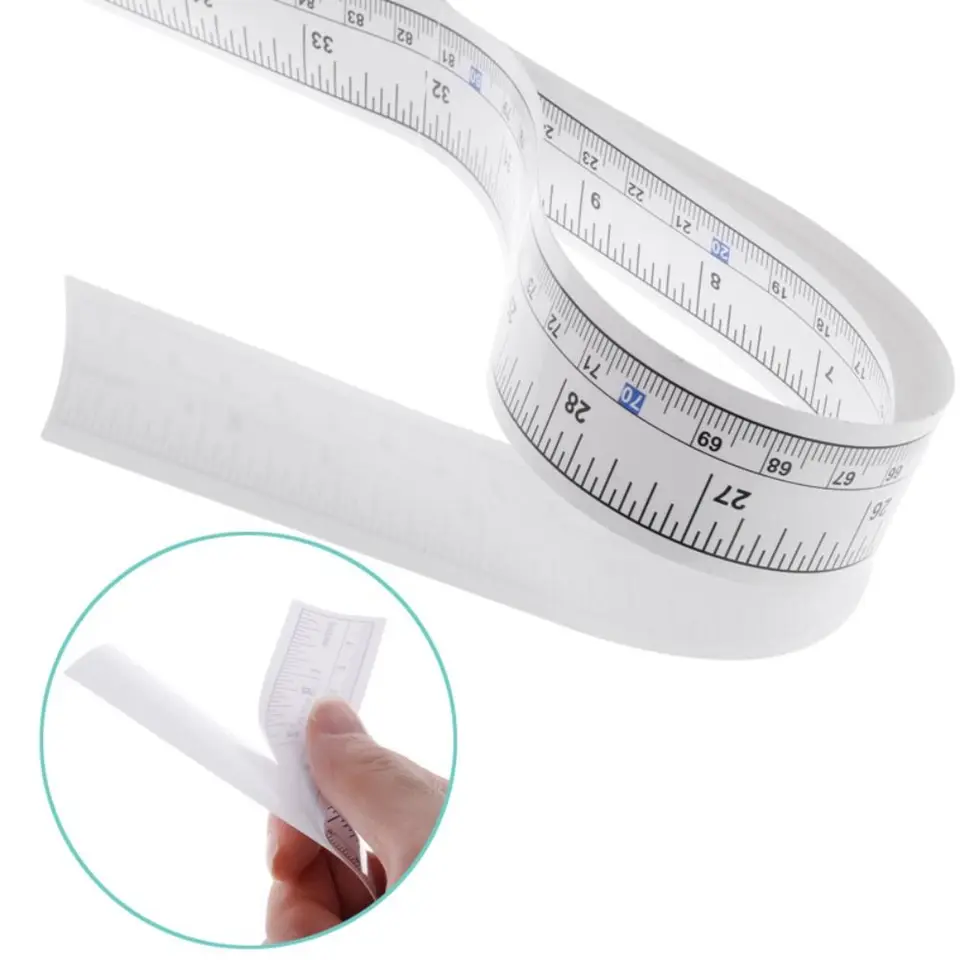
A tape measure uses lines of different lengths to show fractions. The longest lines mark whole inches. Slightly shorter ones show half-inches. Even shorter lines represent smaller divisions. Between each inch, you’ll often see 8, 16, or 32 small marks. These divide the inch into equal parts.
For example, if a tape has 16 marks per inch, each line is 1/16 inch apart. Counting four lines equals 4/16, which simplifies to 1/4 inch. Eight lines equal 1/2 inch. Twelve lines equal 3/4 inch.
Now, where is .375 on tape measure? It falls at the sixth mark when using 1/16 divisions. Since 6/16 reduces to 3/8, and 3 divided by 8 equals 0.375, this is the exact spot. Look for the slightly longer line between 3/16 and 1/2.
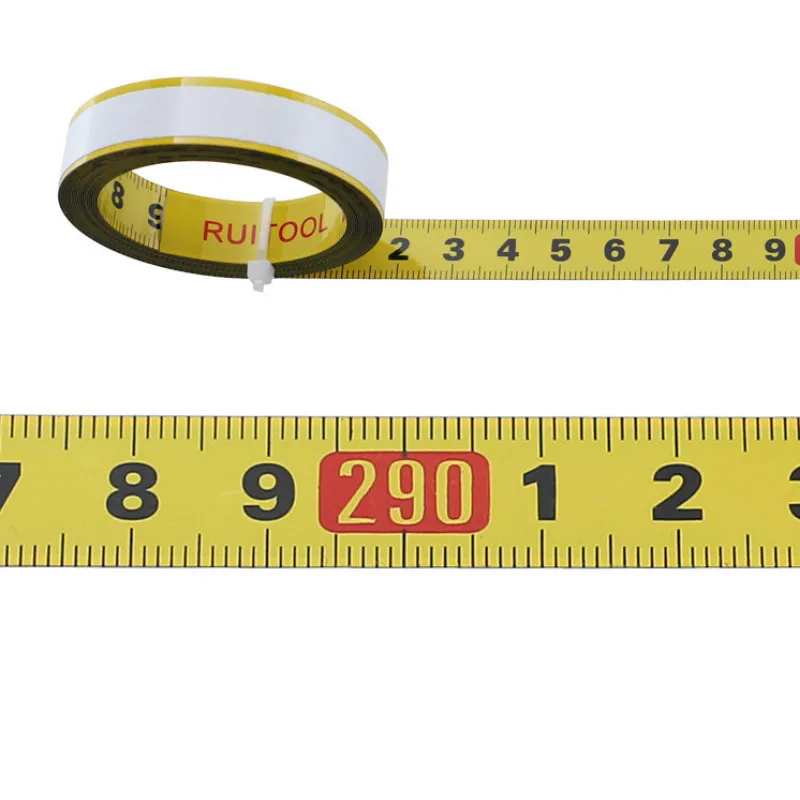
Some tapes label key fractions below the lines. You might see 3/8” clearly marked. Others only show lines. In that case, you must count carefully. Learning these patterns improves speed and accuracy. With practice, .375 on tape measure becomes second nature.
 Converting .375 on a Tape Measure to Other Units
Fractions, Millimeters, and Real-World Applications
Understanding .375 on tape measure goes beyond inches. You can convert it to other systems for broader use. As mentioned, 0.375 equals 3/8 inch. This fraction appears often in hardware sizes. Nails, screws, and drill bits use it regularly.
In metric, 0.375 inch equals 9.525 millimeters. This is close to 10 mm. However, it’s not exact. If you’re using metric tools, you must decide whether to round up or down. For tight fits, even 0.5 mm matters.
In construction, 3/8 inch is common in spacing. Tile installers leave 3/8-inch grout lines on many floor designs. Framers use it for shimming or adjusting stud alignment. Woodworkers apply it when joining pieces with dowels or biscuits.
In plumbing and electrical work, 3/8 inch fits certain clamps and connectors. Knowing this helps choose the right part fast. Whether you’re at a job site or in a workshop, being able to switch between decimals, fractions, and millimeters increases flexibility. Therefore, .375 on tape measure is more than a number—it’s a useful reference point.
Common Projects Where .375 on a Tape Measure Matters
Carpentry, Tiling, Metalwork, and DIY Repairs
Many hands-on tasks rely on accurate 3/8-inch measurements. In carpentry, .375 on tape measure helps set fence distances on power tools. Table saws and routers often use this spacing for dado cuts or edge profiling.
Tile layers use 3/8-inch spacers for consistent grout lines. This ensures even patterns and professional results. If one gap is larger, it draws the eye and ruins symmetry.
Metalworkers drill 3/8-inch holes for bolts, pins, or hinges. This size is strong and widely available. Drill bits labeled “3/8” match this exactly.
In drywall installation, contractors screw sheets every 6 to 8 inches. Some use 3/8-inch depth settings on drivers to avoid breaking the paper layer. Too deep causes weak spots.
Furniture builders use 3/8 inch for joinery. Pocket holes, dowels, and shelf pins often match this size. Pre-drilling ensures clean fits.
Even home repairs use it. Hanging shelves, mounting brackets, or installing curtain rods may require 3/8-inch anchors. Therefore, recognizing .375 on tape measure speeds up these jobs.
 Tips for Using the .375 Mark Accurately
Lighting, Eye Level, and Double-Checking
To read .375 on tape measure correctly, start with good lighting. Dim areas make small lines hard to see. Use a headlamp or work light when indoors or in garages. This reduces eye strain and improves precision.
Always view the tape straight on. Angling your head causes parallax error. This makes measurements appear shorter or longer than they are. Keep your eye directly above the mark.
Hook placement matters too. The metal end of the tape moves slightly. It’s designed to account for its own thickness. Make sure it’s fully engaged on the edge of your material.
Use a pencil with a sharp tip. Mark exactly on the line—not beside it. A thick mark can cover two lines and cause mistakes.
Finally, double-check. Measure twice, cut once. Confirm your reading before acting. If you’re unsure, use a ruler or caliper for backup. These habits protect against errors. With focus, .375 on tape measure becomes a reliable tool.
Tools That Help You Work With .375 Measurements
Calipers, Digital Tape Measures, and Fractional Charts
While a standard tape works well, other tools improve accuracy when dealing with .375 on tape measure. Digital calipers show exact decimal readings. They display 0.375 instantly. These are ideal for metal, plastic, or fine woodworking.
Digital tape measures project laser beams. They calculate distances and show results on a screen. Some convert fractions automatically. This eliminates guesswork.
Laser distance finders offer high-tech solutions. They measure long spans and display in feet, inches, and decimals. Great for rooms or outdoor layouts.
Fraction-to-decimal charts help when learning. Tape one to your tool belt or workbench. It shows 3/8 = 0.375 at a glance. Over time, memorization replaces reliance.
Combination squares with adjustable stops let you mark 3/8 inch repeatedly. Set once, then use all day. This ensures consistency across multiple pieces. These tools make .375 on tape measure easy to apply.
Where to Buy High-Quality Tape Measures
Trusted Brands and Features to Look For
To read .375 on tape measure clearly, use a high-quality tool. Not all tapes are equal. Some have faded markings or stiff blades. Invest in a reliable brand for long-term use.
Stanley is a top choice. Their PowerLock and FatMax lines offer durable housings and readable scales. Marks stay sharp even after years of use. The blades retract smoothly.
Tajima is popular with pros. Their tapes have bold, easy-to-read numbers. The 3/8-inch mark stands out. Many include metric on the back.
Komelon and Lufkin offer strong alternatives. They resist rust and kinking. Some models glow in the dark for low-light areas.
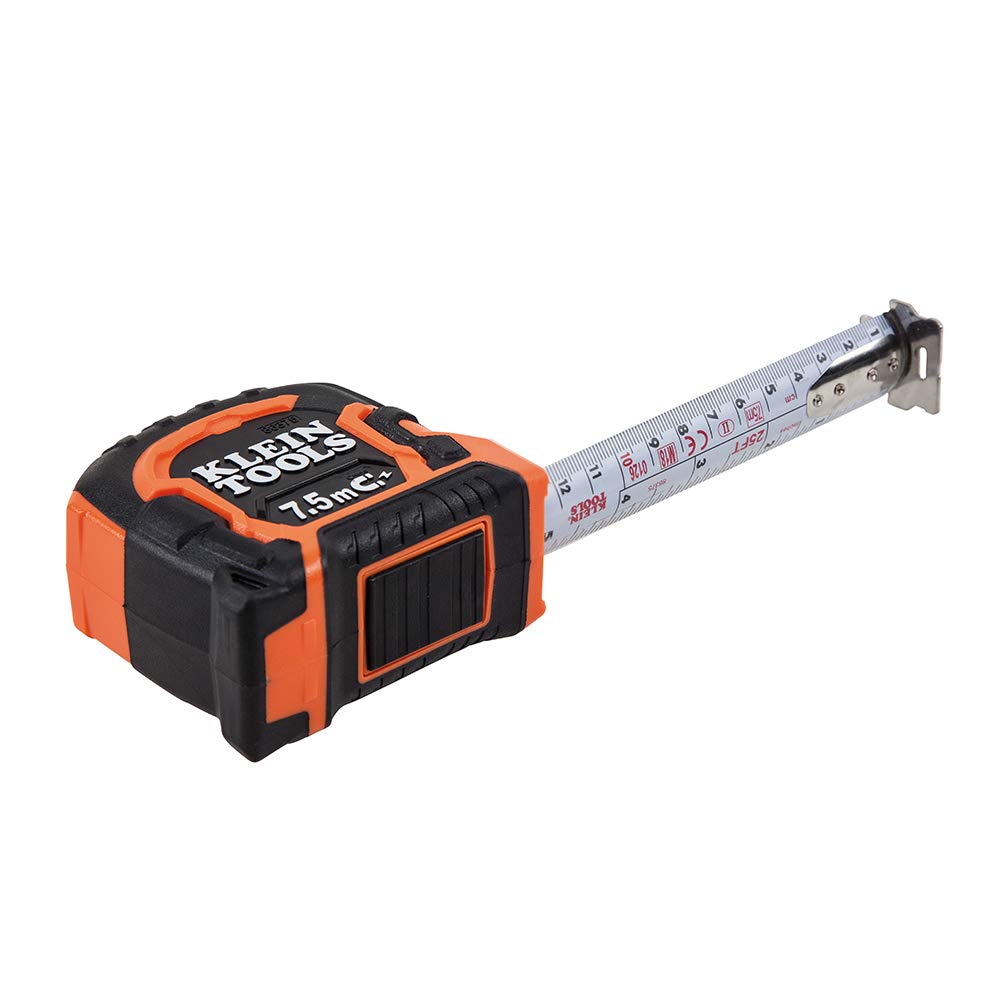
Look for a tape with a sturdy hook. It should move slightly for inside and outside measurements. A locking mechanism holds the blade in place. A comfortable grip reduces hand fatigue.
Buy from hardware stores or online retailers like Amazon, Home Depot, or Lowe’s. Read reviews to check clarity and durability. A good tape pays for itself in accuracy. With a clear .375 on tape measure, your work improves fast.
 Frequently Asked Questions About .375 on a Tape Measure
Common Concerns Answered Clearly
What does .375 mean on a tape measure?
It means 3/8 of an inch. This is a common fraction in construction and DIY.
Is 0.375 the same as 3/8 inch?
Yes. 3 divided by 8 equals 0.375. They are identical values.
How do I find 3/8 inch on a metric tape?
Look for 9.5 mm. It’s very close to 0.375 inch.
Can I use a ruler instead of a tape measure?
Yes. Rulers show the same fractions. Just make sure it’s long enough.
Why doesn’t my tape show decimals?
Most tapes use fractions. You must convert in your head or use a chart.
Does .375 on tape measure matter for beginners?
Yes. Even small projects need accurate cuts. Learning it early helps build good habits.
Final Thoughts on Mastering Precision in Your Projects
Building Confidence Through Measurement Skills
Understanding .375 on tape measure is a small skill with big rewards. It improves accuracy, reduces waste, and boosts confidence. Whether you’re a weekend warrior or a pro, attention to detail defines quality.
From reading fine lines to converting units, each step adds value. Use good tools, check your work, and practice often. Over time, you’ll spot 3/8 inch without thinking. That fluency makes every task smoother. Ultimately, mastering .375 on tape measure turns measuring from a chore into a trusted part of your process.