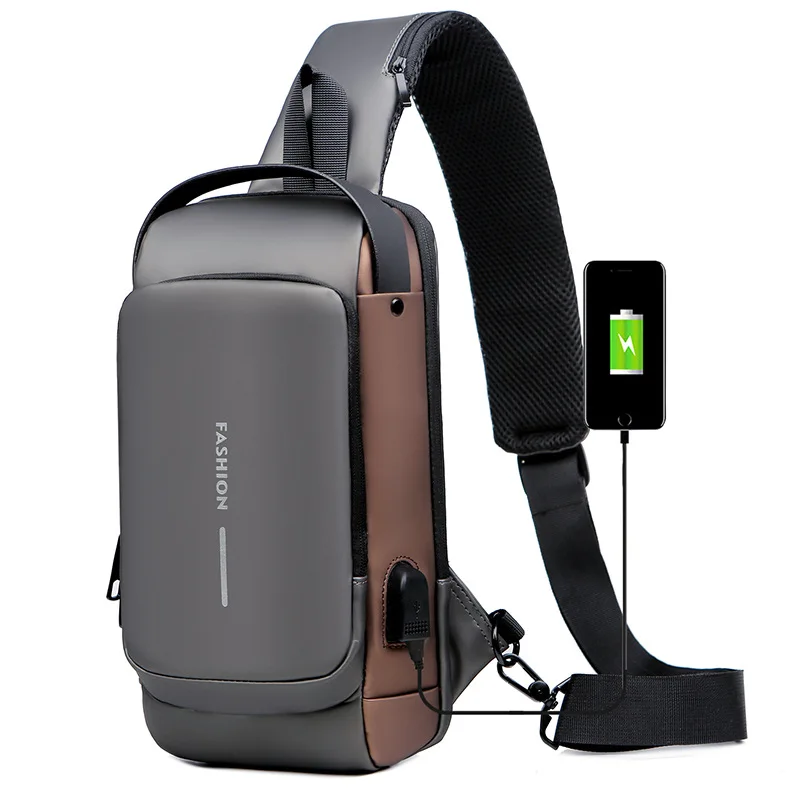
Do Anti-Theft Bags Really Work? The Truth Behind Cut-Resistant
Travelers, commuters, and city dwellers often ask: do anti-theft bags really work? With rising concerns about pickpocketing and bag snatching, many turn to specially designed bags for protection. These products promise cut-resistant straps, lockable zippers, and hidden compartments. But how well do they perform in real-life situations?
While no bag is 100% theft-proof, anti-theft models significantly reduce risk. They deter opportunistic thieves and slow down attempts. Understanding their features helps users make smarter choices. This article explores design, testing, user experiences, and limitations.
Contents
hide
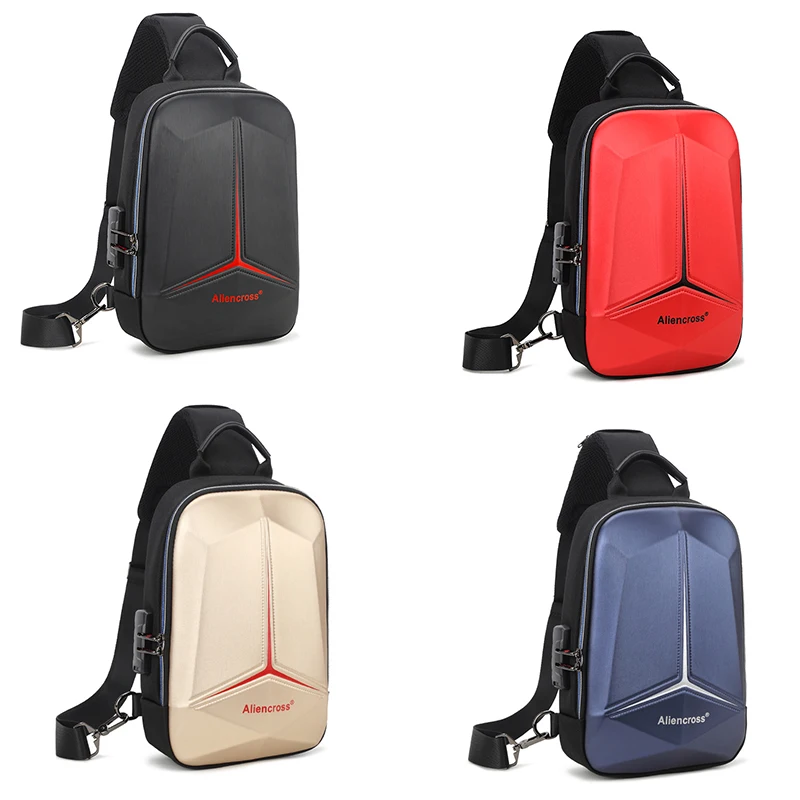 How Anti-Theft Bags Are Designed to Prevent Theft
The Key Features That Make Them More Secure Than Regular Bags
Do anti-theft bags really work? Anti-theft bags use multiple layers of defense. First, slash-proof materials protect the main body. Many include Kevlar or steel-woven fabric beneath the outer layer. These stop knives and blades from cutting through quickly.
Lockable zippers are another major feature. Most models use locking sliders that attach to fixed loops. Some come with small combination locks. Others integrate TSA-approved padlocks. This prevents quick access in crowded areas.
Hidden pockets discourage tampering. Thieves look for obvious zippers near the front. Instead, valuables go into secret side or back panels. These sit against your body and stay out of reach.
RFID-blocking pockets shield credit cards and passports. Thin metal linings block digital scanning. This stops wireless theft of personal data. It adds peace of mind at airports and transit hubs.
Some bags have cut-resistant straps. Steel cables run inside shoulder or crossbody bands. If someone tries to slice the strap, the bag stays intact. This prevents snatch-and-run attacks.
Moreover, ergonomic designs keep the bag close to your body. Crossbody styles distribute weight evenly. Adjustable lengths let you wear it tight against your torso. Less movement means less opportunity for theft.
Real-World Testing: Do Anti-Theft Bags Hold Up Under Pressure?
Evidence from Lab Experiments and User Reports
Manufacturers test anti-theft bags under strict conditions. Labs simulate slashing with box cutters and knives. High-end models resist penetration for several seconds. That delay is often enough to scare off a thief.
Pull tests measure zipper strength. Standard zippers fail under moderate force. In contrast, lockable versions withstand strong tugs. Even if pulled, they don’t unzip easily.
Field reports support these findings. Travel bloggers and digital nomads share stories online. Many say their anti-theft backpacks stopped attempted grabs in markets or subways. One user in Barcelona reported a man pulling hard on his bag—nothing opened.
Another traveler in Bangkok felt someone tugging at her purse. She turned around and caught them mid-attempt. The locked zippers held firm. No items were lost.
However, not all tests end successfully. Some low-cost brands use weak lining or fake “slash-proof” claims. Independent reviewers expose these with simple knife tests. Always check third-party reviews before buying.
Security experts agree: prevention works best when combined with awareness. A good bag reduces risk. But staying alert matters just as much.
Overall, most reputable anti-theft bags perform well under stress. They won’t stop a determined attacker with tools. Yet, they deter casual thieves effectively.
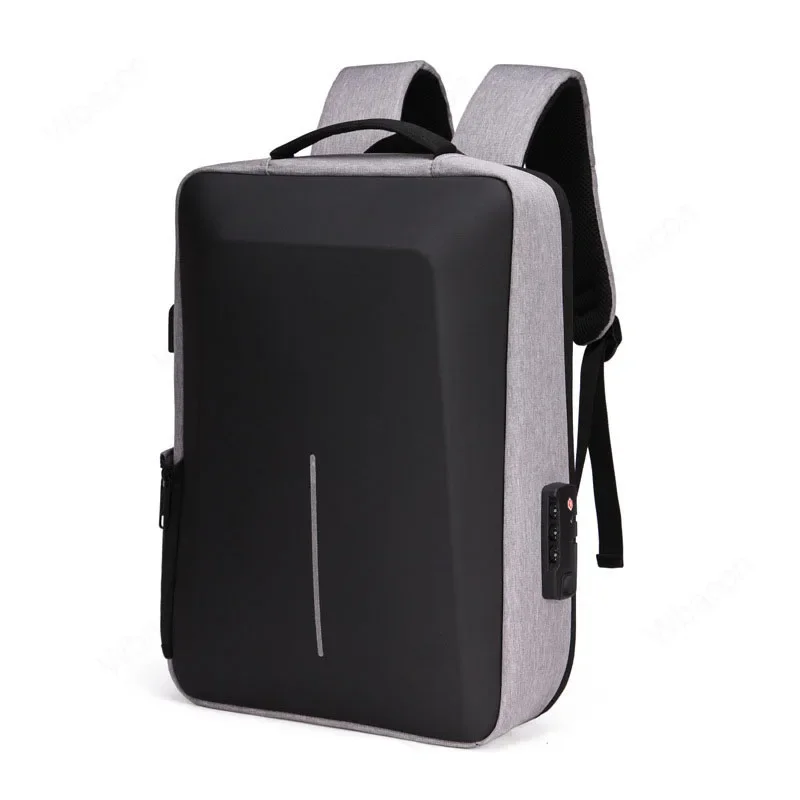 Different Types of Anti-Theft Bags and Their Specific Uses
Choosing the Right Style for Travel, Commuting, or Daily Use
Backpacks are popular among travelers. Anti-theft versions often feature lockable compartments and rear-facing pockets. Many open only when unzipped from the front. This blocks access while worn.
Crossbody bags suit city commutes. Their single strap goes across the chest. Wear it tightly so the bag rests on your hip. Front-facing placement keeps it visible.
Waist packs or fanny packs have returned for security reasons. Worn in front, they stay within sight. Hidden zippers and RFID pockets add extra layers. Ideal for festivals or busy streets.
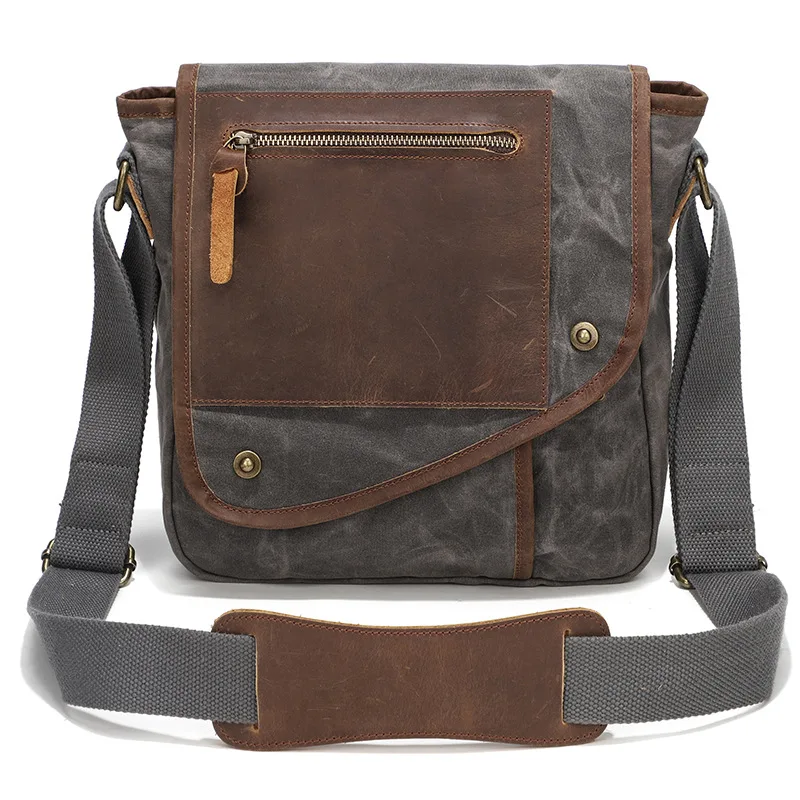
Messenger bags appeal to professionals. They combine style with safety. Magnetic flaps hide behind lockable zippers. Laptop sleeves fit snugly and resist removal.
Laptop backpacks offer padded tech storage. Anti-theft models include cut-proof mesh and alarm systems. Some trigger loud sounds if the bag opens unexpectedly.
For women, handbags with wristlet straps and locking clasps exist. Hidden inner zippers secure phones and wallets. Minimalist silhouettes reduce target appeal.
Each type serves different needs. Choose based on activity, location, and what you carry. Matching function to lifestyle improves protection.
Common Scenarios Where Anti-Theft Bags Provide Real Protection
Situations That Increase Risk and How These Bags Help Reduce It
Public transportation is a high-risk zone. Subways, buses, and trams pack people tightly. Pickpockets use distractions to grab bags. An anti-theft model makes quick access harder.
Tourist hotspots attract thieves. Areas like Times Square, the Eiffel Tower, or Rome’s Colosseum see constant crowds. Tourists often appear distracted. A secure bag reduces vulnerability.
Festivals and concerts create chaos. Large crowds move unpredictably. Opportunistic snatching happens fast. Wearing a waist pack in front stops unnoticed access.
Street markets and bazaars pose risks too. Narrow aisles limit visibility. Vendors may distract while accomplices act behind you. Lockable zippers buy time.
Airports involve constant movement. Security lines, boarding queues, and baggage claim areas are prime targets. RFID-blocking pockets prevent digital theft.
Urban commuting during rush hour increases exposure. Crowded sidewalks and trains allow close contact. A crossbody bag worn tight acts as a physical barrier.
Even daily errands can be risky. Grocery stores, malls, and parking lots see petty theft. Simple precautions pay off over time.
In each case, the goal isn’t perfection. It’s deterrence. Slowing a thief down often leads to abandonment.
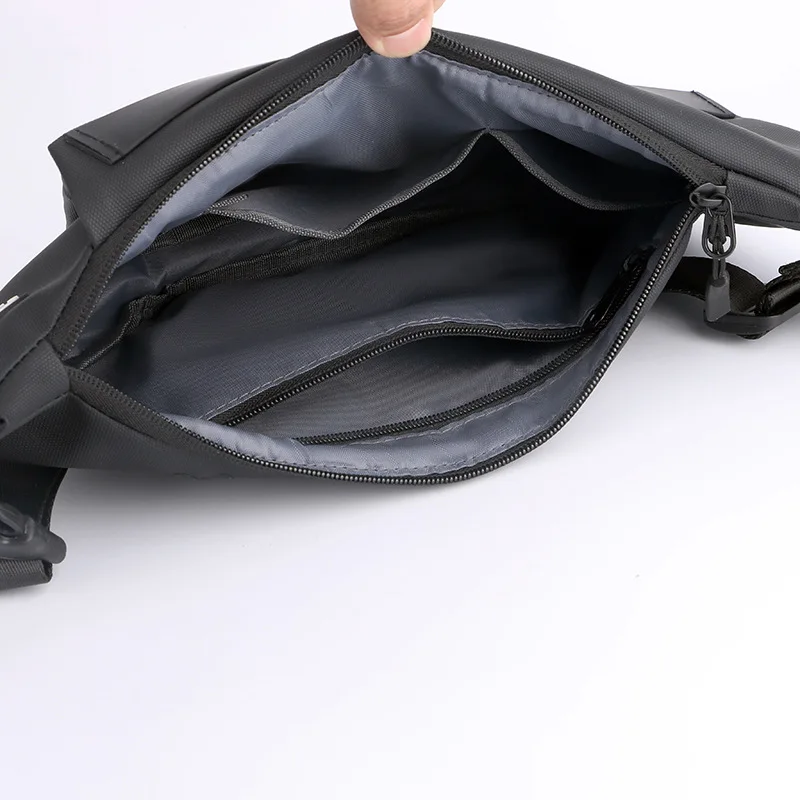 Limitations of Anti-Theft Bags: What They Can’t Protect Against
Understanding the Gaps in Security and Avoiding Overconfidence
No bag is completely theft-proof. Determined criminals with tools can bypass even the strongest defenses. Bolt cutters, heavy-duty knives, or power devices break through. Physical force remains a threat.
Overreliance on the bag creates false confidence. Some users stop paying attention. They leave zippers unlocked or place the bag where it’s easy to grab. No product replaces vigilance.
Poor-quality models mislead buyers. Fake “anti-theft” labels appear on regular bags. Always research brands and read verified reviews. Look for lab-tested certifications.
Design flaws weaken some bags. Long straps still swing away from the body. Poorly placed pockets remain accessible. Not all hidden compartments are truly secure.
Social engineering tricks bypass hardware. A person asking for help or causing a distraction enables theft. While the bag resists cutting, human behavior opens gaps.
Additionally, alarms on smart bags can be disabled. Loud sounds draw attention. But in noisy environments, they go unnoticed. Some users turn them off for comfort.
Weather damage affects durability. Rain or sun degrades materials over time. Slash-proof layers may weaken after years of use. Regular inspection is essential.
Ultimately, these bags reduce risk but don’t eliminate it. Combine them with smart habits for best results.
Top Brands and Models Known for Effective Anti-Theft Protection
Reputable Manufacturers That Deliver on Security Promises
Several brands lead the anti-theft market. Pacsafe pioneered the category. Their bags use locking zippers, steel mesh, and RFID shielding. Many models undergo independent testing. Trusted by frequent travelers.
Peak Design offers sleek urban backpacks. Their Field Pouch and Everyday Backpacks include water-resistant fabrics and secure closures. Popular with photographers and creatives.
Cleverhood combines fashion with function. Their capes and tote bags feature magnetic closures and hidden pockets. Designed for city living and bad weather.
Moneyguard produces minimalist options. Their belts and pouches focus on concealment. Used by diplomats and aid workers in high-risk zones.
Targus makes laptop-focused bags. Business travelers rely on their lockable compartments and rugged builds. Many include GPS tracking options.
Slashcloud uses advanced materials. Their patented slash-resistant fabric passes extreme tests. Videos show resistance to sharp objects under pressure.
Travelmore offers budget-friendly picks. While not as durable as premium brands, their entry-level models still include key features. Great for first-time buyers.
Always verify claims. Look for customer testimonials, YouTube teardowns, and warranty terms. Reputable brands stand behind their products.
 Frequently Asked Questions About Anti-Theft Bags
Are anti-theft bags worth the cost? Yes, for frequent travelers or city residents. The added security outweighs the price difference.
Can I wash an anti-theft bag? Most spot-clean only. Check labels. Machine washing may damage internal layers.
Do they work for women? Absolutely. Many brands design stylish, compact versions. Hidden pockets and lightweight builds suit female users.
Are they airport-safe? Yes. All standard models pass security checks. RFID pockets protect cards without blocking scanners.
Can thieves still steal the whole bag? Yes. If unattended, any bag can be taken. Never leave it alone.
Do straps really resist cutting? High-quality ones do. Steel-reinforced or Kevlar-lined straps resist quick slashes.
Can I add my own locks? Yes. Many bags include loops for padlocks. Upgrade to stronger locks if desired.
Are they comfortable for long wear? Most are ergonomically designed. Padded straps and breathable backs improve comfort.
Final Thoughts on Whether Do Anti-Theft Bags Really Work?
So, do anti-theft bags really work? The answer is yes—but with realistic expectations. They cannot guarantee total safety. However, they significantly lower the chances of successful theft. Features like lockable zippers, slash-proof fabric, and hidden pockets create meaningful barriers.
Used wisely, these bags empower users to travel confidently. They work best when combined with awareness and good habits. Now that you understand how they function, choose one that fits your lifestyle. Stay protected, stay alert, and enjoy peace of mind wherever you go.